When Transaction Speed Meets Market Volatility: Payment Dynamics in Live Wagering Environments
Elena Powell · Oct 26, 2026
When Transaction Speed Meets Market Volatility: Payment Dynamics in Live Wagering Environments
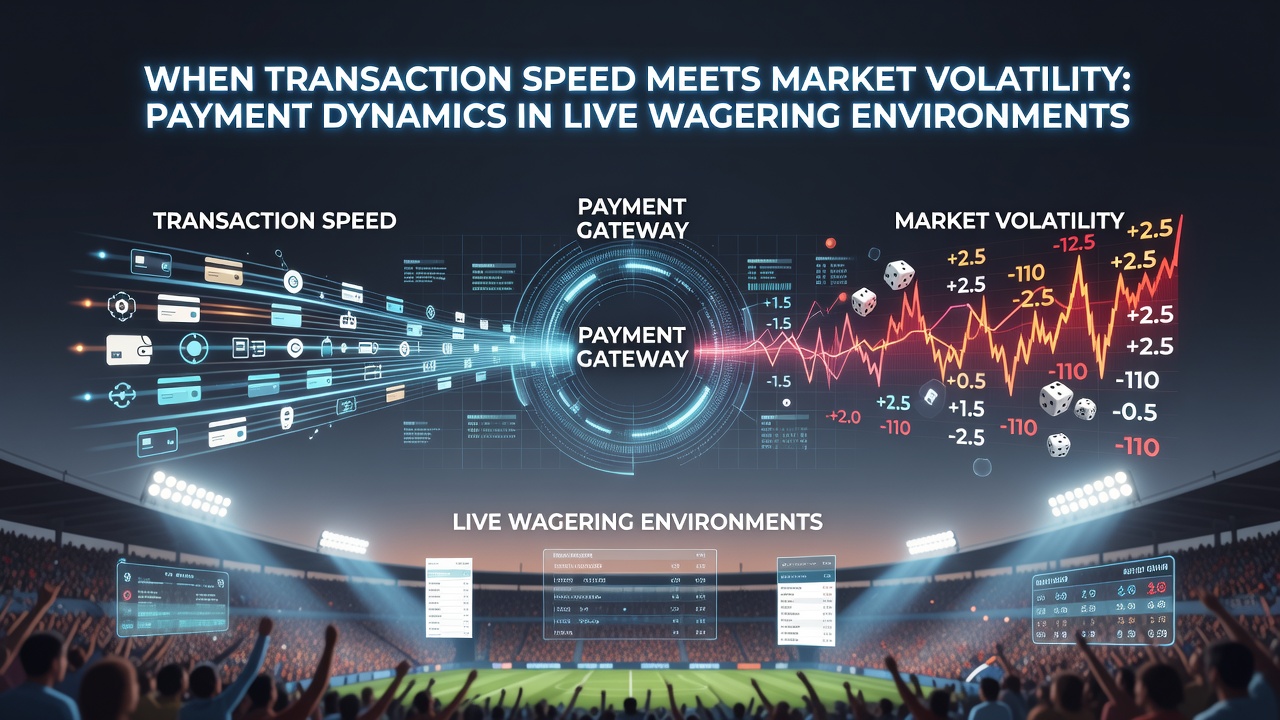
Live wagering environments operate under constant pressure where market volatility and transaction speed intersect directly, creating unique demands on payment infrastructure that traditional systems rarely encounter. Odds shift within seconds during major events, and bettors who miss narrow windows often find themselves locked out of favorable positions. Payment processors respond with specialized tools designed to match these rapid cycles, including instant bank transfers, digital wallets, and tokenized card systems that reduce authorization times to under three seconds in many cases. Researchers tracking these patterns note that platforms handling both in-play football and horse racing markets see transaction volumes spike by 300 percent during peak volatility periods, according to aggregated industry data.
Market Volatility and Its Direct Impact on Transactions
Volatility in live markets stems from real-time events such as goals, injuries, or pace changes on the track, each triggering immediate odds adjustments that require fresh capital movement. Bettors frequently need to deposit additional funds or withdraw winnings mid-event to adjust positions, yet delays of even 30 seconds can erase opportunities. Data from the New Jersey Division of Gaming Enforcement shows that average deposit completion times dropped below four seconds across regulated platforms in 2025, correlating with a 22 percent rise in in-play wager counts. Systems now integrate with banking APIs that bypass legacy clearing houses, allowing funds to appear in accounts before the next market update occurs. Observers note that platforms failing to meet these thresholds experience measurable drops in active user sessions during volatile stretches.
Payment Technologies Driving Real-Time Execution
Modern payment solutions rely on layered verification that balances speed with compliance requirements. Blockchain-based rails and open banking protocols enable near-instant settlements while maintaining audit trails required by regulators across multiple jurisdictions. One study published by the University of Sydney's Gambling Research Unit examined transaction logs from Australian operators and found that platforms using hybrid instant methods processed 94 percent of live-event deposits without user intervention after initial setup. These systems often employ predictive algorithms that pre-authorize small amounts during high-activity periods, releasing full transfers only when volatility triggers additional activity. The approach reduces friction yet maintains the same security standards applied to slower channels.
October 2026 Developments in Transaction Infrastructure
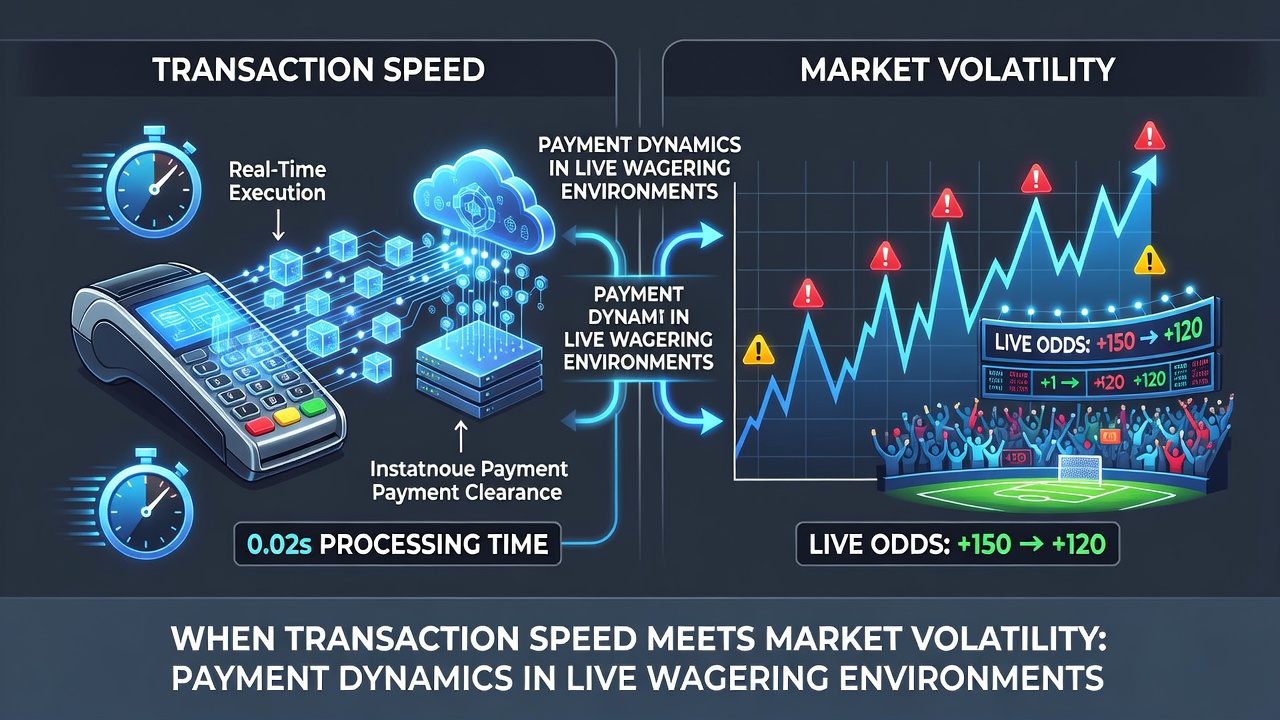
October 2026 brought several coordinated updates across payment providers serving wagering platforms, including expanded support for instant cross-border transfers and refined risk-scoring models that adapt to market swings. European operators reported a 15 percent increase in same-minute deposit success rates following these upgrades, wth similar patterns emerging in North American markets. Regulatory bodies in Australia and Canada issued parallel guidance encouraging adoption of standardized APIs that let operators synchronize payment status with live odds feeds. Those who've studied the resulting data observe shorter average session gaps between deposits and subsequent wagers, particularly in markets where odds moved more than 20 percent within a single minute.
Balancing Speed, Security, and Regulatory Demands
Fast transactions carry inherent risks that operators mitigate through layered controls rather than speed reductions. Real-time fraud detection engines analyze device fingerprints, behavioral patterns, and funding source history within milliseconds before releasing funds. Reports from the Nevada Gaming Control Board indicate that platforms employing these combined checks maintained fraud rates below 0.8 percent even as transaction volumes rose sharply. Meanwhile, withdrawal processing times for verified accounts shortened to under 90 seconds on several major systems, allowing users to reallocate capital without leaving the live interface. The coordination between payment rails and betting engines now extends to predictive liquidity management, where operators pre-position funds in volatile markets to handle anticipated surges without manual intervention.
Conclusion
Transaction speed and market volatility continue to shape each other in live wagering environments, with payment dynamics evolving to match the pace of real-time events. Platforms that align instant processing capabilities with robust verification frameworks demonstrate measurable advantages in user retention and market responsiveness. As infrastructure updates from October 2026 propagate further, operators and regulators alike track performance metrics that link faster settlements directly to higher in-play participation rates across sports and racing verticals.