Payment Integration Patterns Fueling Cross-Market Strategies in Mobile Betting Platforms
Eden Beck · Aug 16, 2026
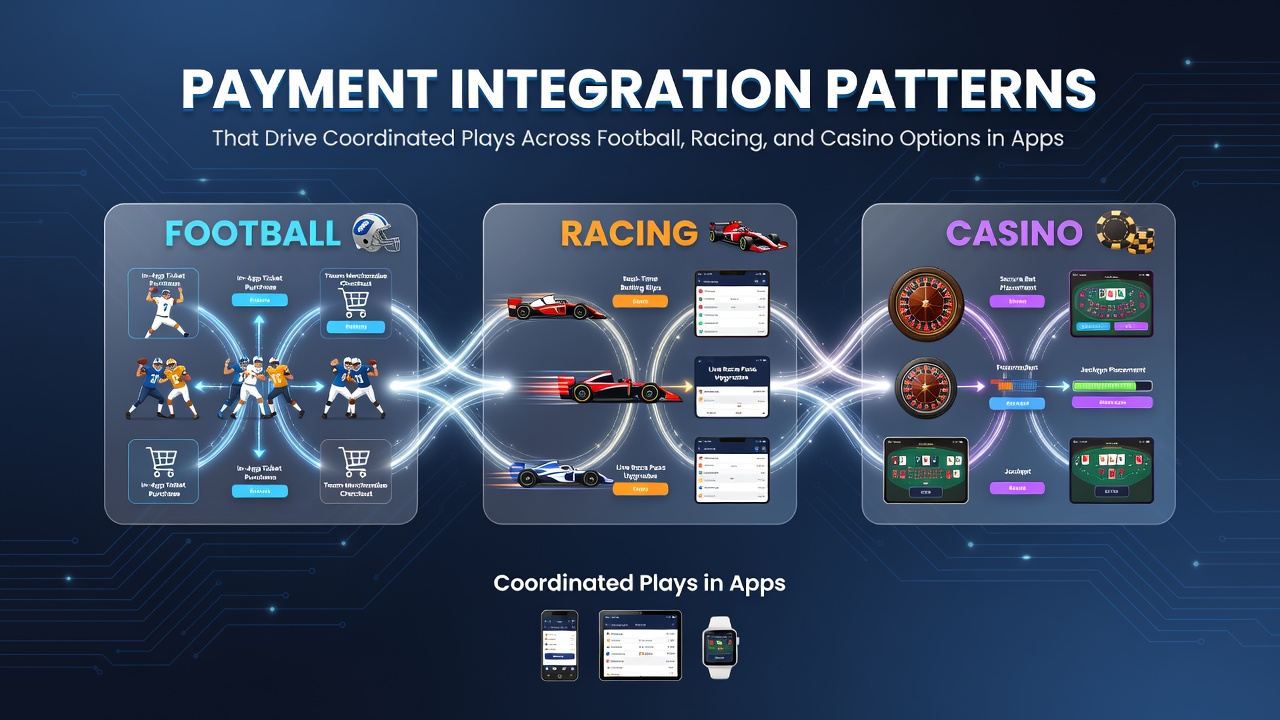
Payment Integration Patterns Fueling Cross-Market Strategies in Mobile Betting Platforms
Payment systems in mobile betting applications have evolved to support coordinated wagering sequences that span football matches, horse racing events, and casino games within single user sessions. Developers rely on unified wallet architectures, real-time API connections, and instant settlement protocols to reduce friction between deposit actions and bet placements across these verticals. Data from industry reports indicate that platforms employing these patterns record higher session durations when users transition from live football odds to racing form analysis without separate funding steps.
Unified Wallet Designs and Their Role in Sequential Betting
Unified wallets consolidate funds from multiple sources into one balance that applies equally to football accumulators, racing exotics, and casino table games. This structure eliminates repeated verification cycles because transaction logs update across all product categories simultaneously. Observers note that apps incorporating tokenized payment methods allow users to allocate portions of a single deposit toward in-play football markets while reserving segments for upcoming race cards, and the same balance supports slot spins or blackjack rounds without additional authorization prompts.
Research from the American Gaming Association highlights how these wallet designs align with broader mobile commerce trends observed in regulated markets outside the UK. Seamless balance transfers between verticals depend on backend systems that flag available funds in milliseconds, which prevents interruptions during time-sensitive decisions like reacting to a goal or a late scratch in racing.
API-Driven Connections Between Deposit and Bet Placement
Application programming interfaces link payment processors directly to betting engines so that a confirmed deposit triggers immediate eligibility for coordinated plays. For instance, a user funding an account via digital wallet can place a football single, follow it with a racing double, and extend activity into casino promotions without exiting the app environment. These connections rely on standardized protocols that handle currency conversions and compliance checks in the background while the interface remains uninterrupted.
Figures from the European Gaming and Betting Association reveal that platforms with robust API integrations experience measurable increases in cross-product activity during peak periods. The pattern becomes particularly evident around major fixtures where football markets open early in the day and racing meetings run into evening hours, allowing users to chain selections while casino options fill gaps between events.
Instant Settlement and Its Impact on Multi-Vertical Sessions
Instant settlement mechanisms credit winnings back to the shared wallet immediately after an event concludes, which supports rapid reallocation into the next market. This capability proves essential when a football result releases funds that a user then directs toward a racing tote or a live dealer casino table. Technical implementations often include automated routing rules that prioritize the user's pre-selected preferences across the three categories.
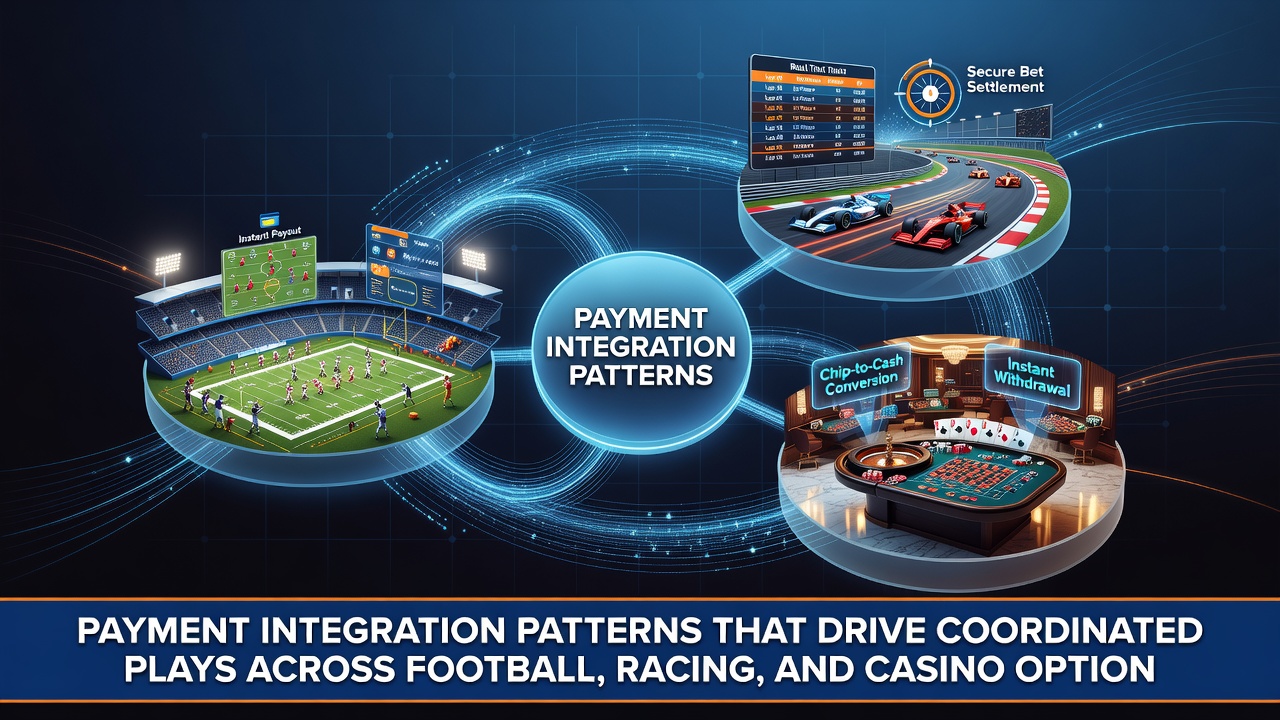
August 2026 marks the scheduled rollout of enhanced real-time payment standards in several jurisdictions, which developers anticipate will further compress the interval between settlement and new bet acceptance. Systems already tested in pilot programs demonstrate that these upgrades reduce latency to under two seconds for most transactions, enabling tighter coordination between live football updates, race starts, and casino bonus triggers.
Security Protocols Supporting Coordinated Activity
Multi-factor authentication combined with device fingerprinting maintains security across extended sessions that move between football, racing, and casino sections. Risk engines monitor transaction velocity and pattern consistency so that a sequence of deposits followed by bets in different verticals does not trigger unnecessary holds. Experts have observed that these layered controls allow platforms to sustain high volumes of cross-market activity while meeting regulatory expectations for responsible fund handling.
Case examples from integrated platforms show users completing football pre-match wagers, shifting to in-running racing markets, and concluding with casino side bets within the same funded balance. The underlying payment rails handle each transition through encrypted channels that preserve transaction integrity without requiring repeated logins.
Conclusion
Payment integration patterns centered on unified wallets, direct API linkages, and instant settlements enable mobile applications to present football, racing, and casino options as interconnected choices rather than isolated products. These technical arrangements reflect ongoing adaptations to user behavior documented in regulatory and industry data sources. Continued refinement of settlement speeds and security layers positions such systems to accommodate expanding volumes of coordinated plays as market conditions evolve into 2026 and beyond.