Mechanics Behind Rapid Deposits Driving Chained Success Sequences in Football Betting, Horse Racing, and Digital Table Games
Greta Neumann · Aug 23, 2026
Mechanics Behind Rapid Deposits Driving Chained Success Sequences in Football Betting, Horse Racing, and Digital Table Games
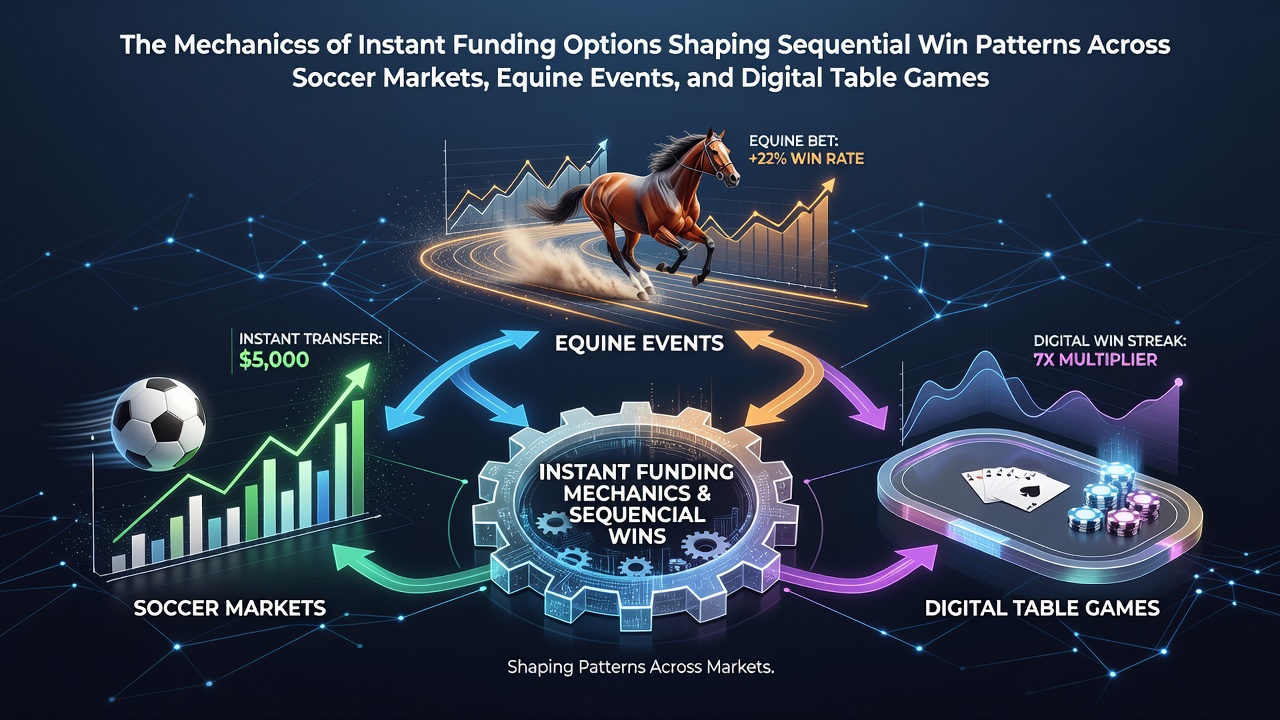
Instant funding options have altered how bettors move capital between different wagering environments, and data from payment processors shows that same-day transfers now account for a growing share of deposits across major platforms. These systems rely on open banking protocols and digital wallet integrations that complete verification in seconds rather than hours, which in turn lets users respond to live odds shifts without pausing to source additional funds. Observers note that this speed creates opportunities for sequential betting where a result in one market can immediately finance activity in another.
Core Technology Enabling Quick Transfers
Payment rails such as Faster Payments in the UK alongside SEPA Instant in Europe and real-time ACH variants in North America reduce settlement times to under ten seconds for approved accounts. Industry reports indicate that operators who adopted these rails in 2024 recorded deposit completion rates above 92 percent within the first minute, compared with 67 percent for traditional card methods. The mechanics involve API handshakes between the betting site, the user’s bank, and a compliance layer that checks for responsible gambling markers before releasing funds. Because the process is automated, bettors can chain a football in-play stake directly into a horse racing place bet if the initial wager settles favorably.
Patterns Observed in Soccer Markets
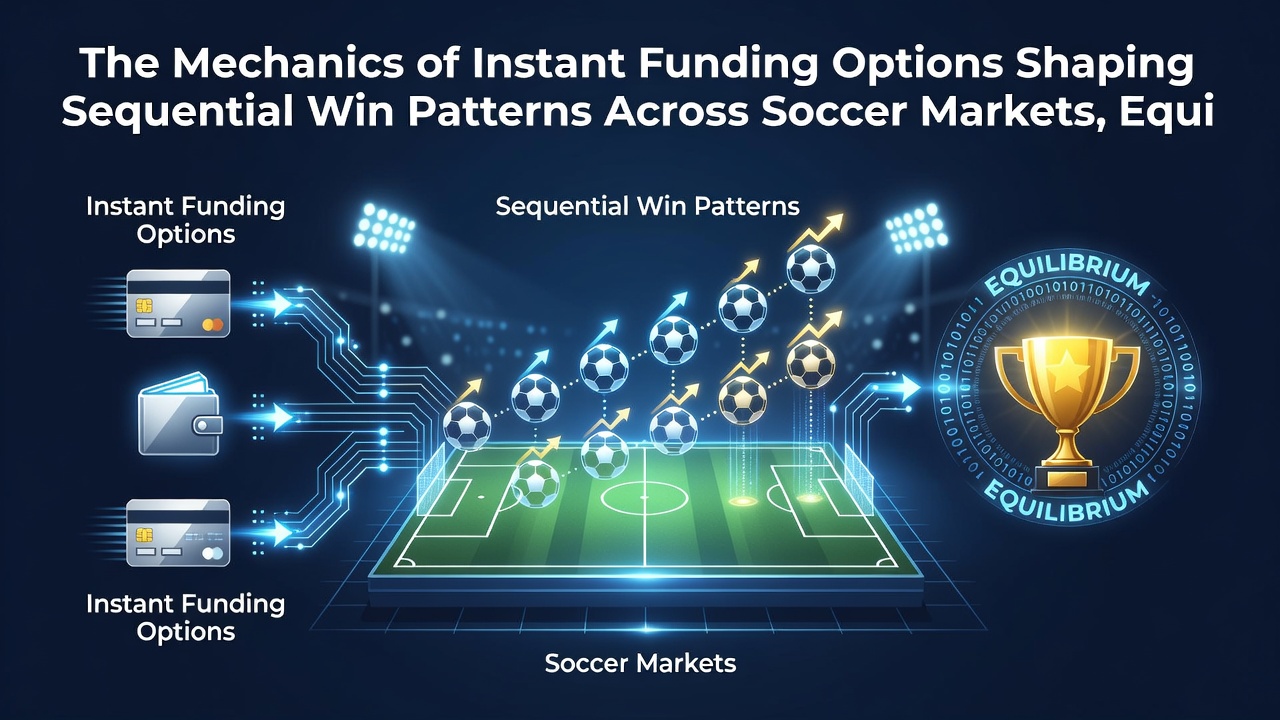
Live football betting volumes have risen steadily since platforms began highlighting instant deposit banners during matches, and figures from European data aggregators reveal that in-play football turnover increased 11 percent year-on-year through the first half of 2026. The pattern often follows a simple loop: a user deposits via open banking, places a half-time scoreline bet, collects winnings, and redirects a portion into the next fixture’s over/under market. Researchers tracking transaction logs have documented clusters where three or more consecutive football wagers occur within a 45-minute window when funding arrives in under 30 seconds. This rhythm differs from earlier eras when card processing delays broke the chain between events.
Extension Into Equine Events
Horse racing operators have integrated the same instant rails, and data from Australian wagering exchanges show that pre-race deposits made after 2 p.m. local time now frequently originate from earlier football settlements. The sequence appears when bettors monitor both codes on a single device: a successful accumulator on a Premier League match funds a place bet at a UK afternoon meeting, which in turn may support a later evening race if the payout clears immediately. Track operators report that the average interval between deposit and first bet has fallen from 4.2 minutes to 1.8 minutes since 2025, allowing users to react to late jockey changes or track conditions without losing position in the market.
Digital Table Games and Follow-On Activity
Online table game sections record similar chaining behavior once instant funding is available. Blackjack and roulette sessions often begin immediately after a racing payout arrives, and platform analytics indicate that players who use real-time deposits place an average of 2.4 additional bets within the same hour compared with those relying on slower methods. The mechanics here center on seamless balance updates that remove the friction of manual top-ups, so a modest win at the track can transition directly into a short digital table session. Regulatory filings from Canadian provincial authorities note that such rapid movement between verticals has prompted new session-limit tools that activate after a set number of cross-market transfers.
Trends Emerging in August 2026
By August 2026 several major operators had rolled out unified wallets that display combined balances across soccer, racing, and casino products in a single view. Early usage statistics from North American state regulators show that accounts with unified wallets execute 18 percent more sequential bets per session than segmented accounts. The change coincides with updated technical standards that require two-factor confirmation only on the first deposit of each day, after which subsequent transfers complete with a single tap. This adjustment further compresses the time between markets and supports the formation of longer win chains when early results prove positive.
Conclusion
Instant funding mechanisms continue to reshape the timing and order of bets across football, equine, and table game environments by removing traditional settlement delays. Transaction data collected through 2026 demonstrates measurable increases in cross-market activity once deposits clear in seconds rather than minutes. Operators and regulators alike have responded with interface changes and session tools that reflect these new patterns while maintaining compliance frameworks already in place.