Coordinating Verification Processes with Transaction Systems for Dynamic Live Betting in Football and Equine Events
Ulrich Long · Sep 14, 2026
Coordinating Verification Processes with Transaction Systems for Dynamic Live Betting in Football and Equine Events
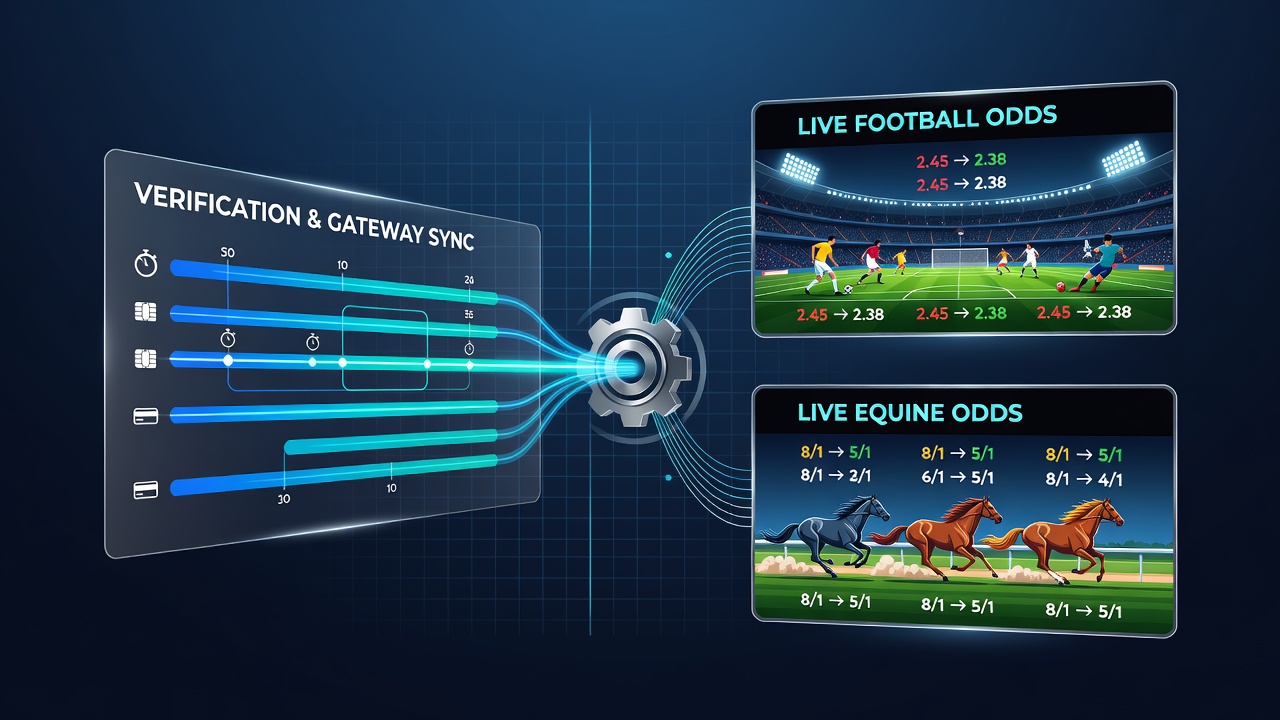
Operators in the betting sector face increasing demands to align account verification procedures with payment gateway performance, particularly when markets shift rapidly during football matches and equine competitions. Data from industry reports indicate that live odds can fluctuate within seconds as events unfold on the pitch or track, requiring users to complete funding steps before prices move further. Research from academic institutions shows that delays in either verification or transaction processing often result in missed opportunities across these dynamic environments.
Verification Timelines in High-Speed Betting Contexts
Account verification typically involves multiple stages including identity confirmation, address validation, and sometimes source of funds checks. Studies from regulatory bodies outside the UK reveal that streamlined digital processes can reduce average completion times from hours to minutes when integrated with automated systems. Observers note that platforms employing real-time document scanning and biometric options achieve faster user onboarding, which becomes critical during live events where odds adjust continuously based on match developments or race pace changes.
Those who have examined operational data find that verification bottlenecks frequently occur when manual reviews intersect with peak activity periods, such as the final stages of a football match or the closing moments of a horse race. Figures from international gaming associations demonstrate that automated verification tools lower these delays substantially, allowing participants to access live markets without extended interruptions.
Payment Gateway Performance and Market Responsiveness
Payment gateways handle the transfer of funds from user accounts to betting platforms, and their speed directly influences the ability to place wagers amid changing odds. Reports compiled by research organizations indicate that gateways supporting instant bank transfers and digital wallets process transactions in under 10 seconds in optimized setups, whereas traditional card methods may require additional authorization layers. Experts have observed that equine events, with their short race durations, place particular emphasis on these rapid processing capabilities compared to longer football fixtures.
Integration Approaches Across Football and Equine Markets
Operators coordinate verification timelines with gateway speeds through unified backend systems that trigger parallel checks once a user initiates a deposit. Data shows that such integration enables capture of shifting odds by minimizing the gap between fund availability and bet placement. One analysis of cross-market activity highlights how football in-play options often overlap with pre-race equine betting windows, creating scenarios where synchronized processes support sequential wagers without separate verification cycles.
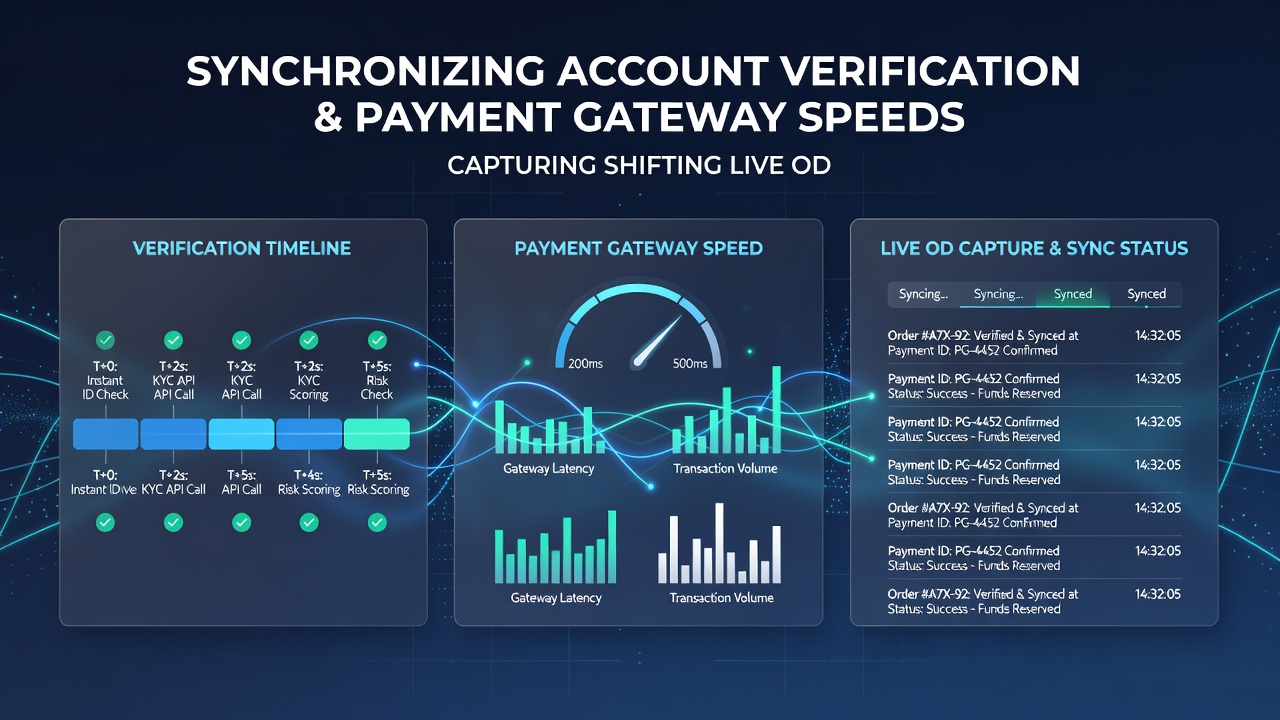
Platforms that adopt modular architectures allow verification status to carry over across sessions, while payment confirmations update in real time. Research indicates this setup proves effective when markets react to events like goal scorings in football or pace adjustments in horse racing. According to findings from the American Gaming Association, integrated systems correlate with higher completion rates for live bets during volatile periods.
Operational Data and Timing Considerations in September 2026
Market observations from September 2026 show increased focus on these synchronized processes as new software updates rolled out across multiple operators. Figures reveal that platforms with sub-30-second combined verification and payment cycles handled greater volumes of live football and equine wagers compared to those with longer sequences. Industry reports suggest that equine events, often scheduled alongside international football fixtures, benefited particularly from these efficiencies due to the compressed timeframes involved.
Analyses from university-led studies further demonstrate that gateway optimizations reduced average wait times across regions, supporting consistent access to updating odds lines. Those monitoring transaction logs note fewer abandoned sessions when verification and funding steps run concurrently rather than sequentially.
Conclusion
Alignment between verification timelines and payment gateway capabilities supports more effective participation in live betting environments for both football matches and equine events. Available data from diverse regulatory and research sources underscore the role of integrated systems in managing rapid market shifts, with continued developments expected as technology advances in the sector.