Bridging Dynamic Markets: Funding Pathways for Real-Time Sequential Plays in Football and Equine Betting
Eden Beck · Jul 28, 2026
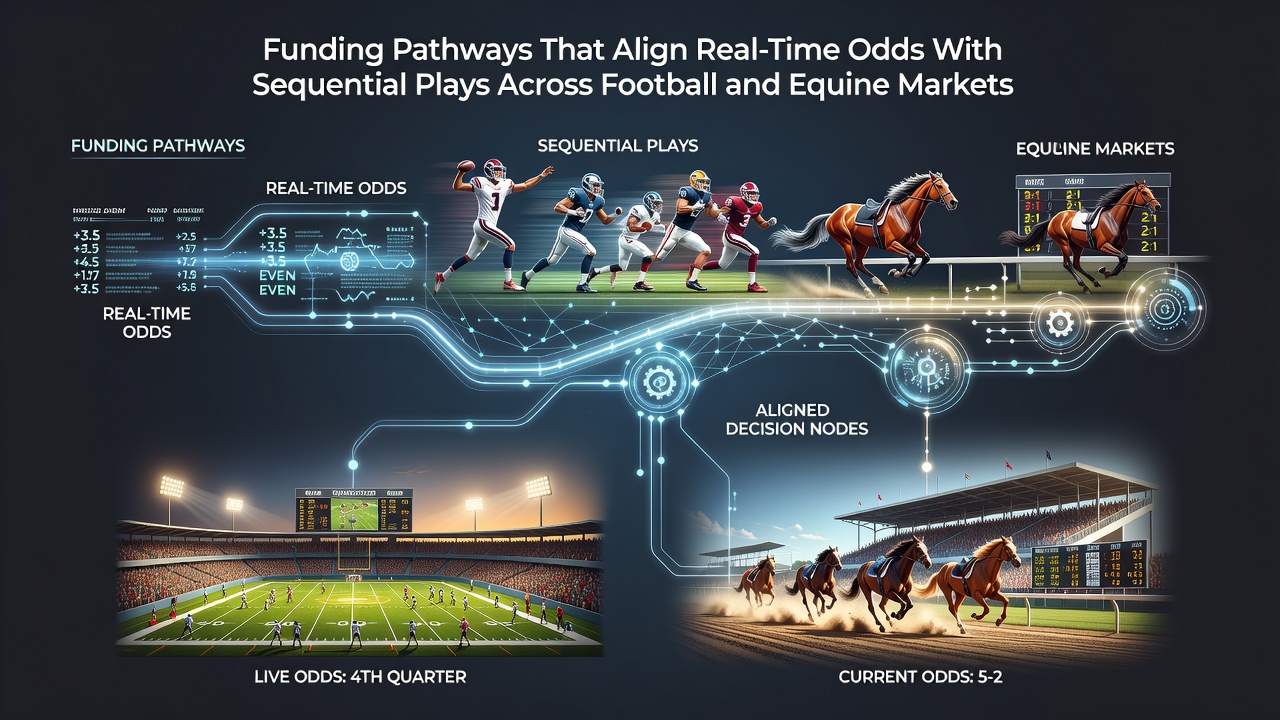
Bridging Dynamic Markets: Funding Pathways for Real-Time Sequential Plays in Football and Equine Betting
Operators have developed payment infrastructures that support immediate transfers between accounts and betting platforms, enabling participants to move funds into active markets without interrupting the flow of sequential wagers across football and horse racing events. These systems rely on integration between banking APIs and operator ledgers, which update balances in seconds and allow bettors to adjust stakes as odds fluctuate during live matches or races. Data from regulatory filings in multiple jurisdictions shows that such pathways reduce latency between deposit confirmation and bet placement to under five seconds on average.
Mechanics of Real-Time Fund Allocation
Sequential betting sequences often begin with an opening wager on a football match outcome, then shift to an equine market once the initial result settles or a related condition triggers. Funding tools must therefore accommodate rapid reallocation while maintaining compliance with responsible gambling parameters that activate in July 2026 across several European frameworks. Payment gateways now incorporate automated checks that verify available balances against session limits before releasing funds into the next leg of the sequence, and these checks draw from unified player profiles shared across sports and racing verticals.
Research published by the Canadian Centre on Substance Use and Addiction indicates that platforms using instant verification protocols record higher volumes of cross-market activity, particularly when users chain football in-play bets with subsequent horse race wagers. The same study notes that processing times under three seconds correlate with sustained participation rates, because delays in fund movement frequently cause bettors to miss shifting odds displayed on equine tote boards or live football scoreboards.
Integration of Payment Rails with Market Data Feeds
Modern funding pathways connect directly to data streams that broadcast real-time odds from both football leagues and thoroughbred tracks. When a deposit clears, the platform simultaneously refreshes the user's available credit across linked markets, allowing placement of follow-up bets without manual navigation between separate wallets. Observers at industry conferences have documented cases where API handshakes between payment processors and odds engines complete within 800 milliseconds, preserving the alignment required for sequential strategies.
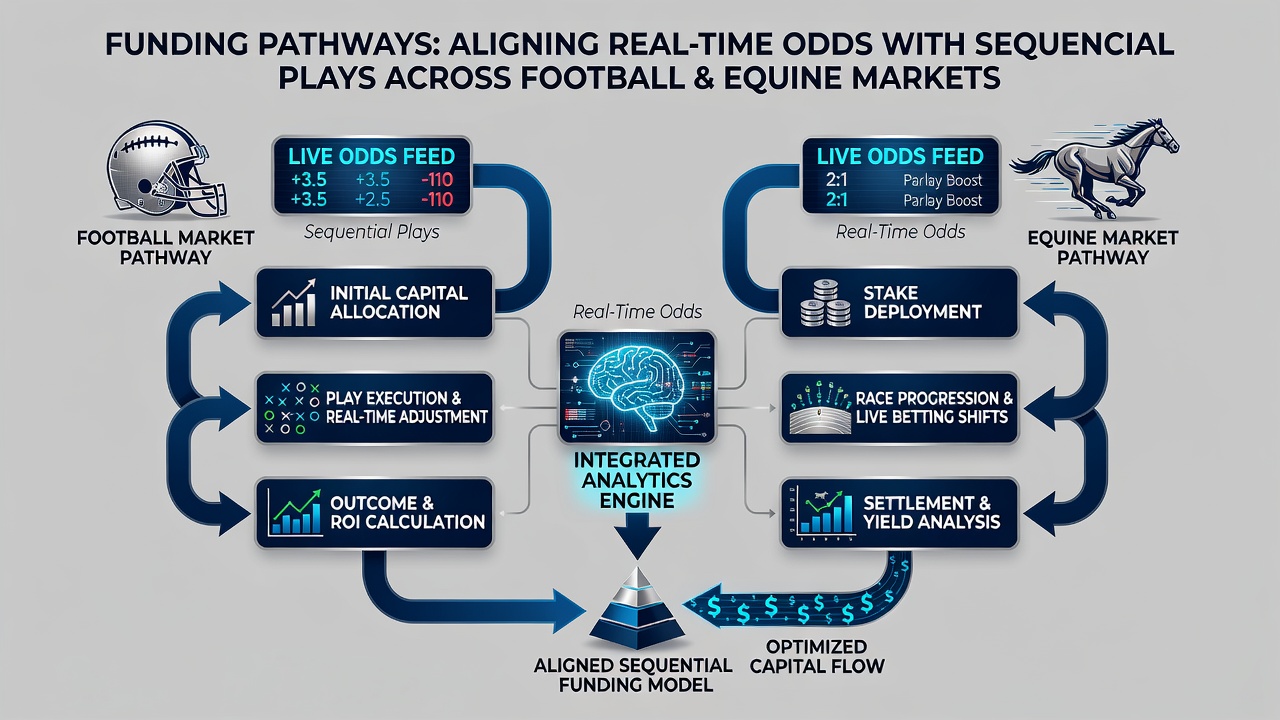
Payment providers have introduced tokenized accounts that store verified banking details, eliminating repeated entry of card numbers or bank identifiers during live sessions. According to figures released by the Australian Communications and Media Authority, adoption of these tokens increased by 34 percent year-over-year in the most recent reporting period, coinciding with expanded coverage of both Premier League fixtures and major racing festivals. The tokens also support conditional transfers that activate only when predetermined odds thresholds are met, further tightening the link between funding actions and market movements.
Regulatory Timelines and Platform Adjustments
Rules scheduled to take effect in July 2026 require operators to implement additional friction points for high-frequency sequential betting, including mandatory cooling-off prompts after a set number of cross-market transitions. Funding pathways are being redesigned to embed these prompts without extending settlement times, using background ledger adjustments rather than visible page reloads. Compliance documentation from multiple licensing bodies shows that platforms meeting these standards maintain transaction success rates above 97 percent while satisfying the new timing requirements.
Industry reports highlight that operators offering multi-currency funding options see broader uptake of sequential plays, because currency conversion occurs at the point of deposit and does not interrupt subsequent bet placement. The same reports note that equine markets, which often close within narrow time windows, benefit most from these instantaneous conversions when paired with ongoing football in-play activity.
Conclusion
Payment architectures now function as active components within betting ecosystems rather than passive gateways, supplying the liquidity and speed required to keep real-time odds aligned across football and equine sequences. Regulatory developments scheduled for July 2026 will further shape these architectures by enforcing tighter controls on rapid transitions, yet the underlying technical integrations continue to evolve to preserve execution efficiency. Data from independent monitoring bodies in Canada and Australia confirms that streamlined funding routes support higher volumes of sequential activity while meeting evolving compliance standards.