Accelerated Platform Access and Flexible Payment Routes Driving Multi-Layered Strategies in Football, Horse Racing, and Digital Casino Markets
Mia Peters · Aug 14, 2026
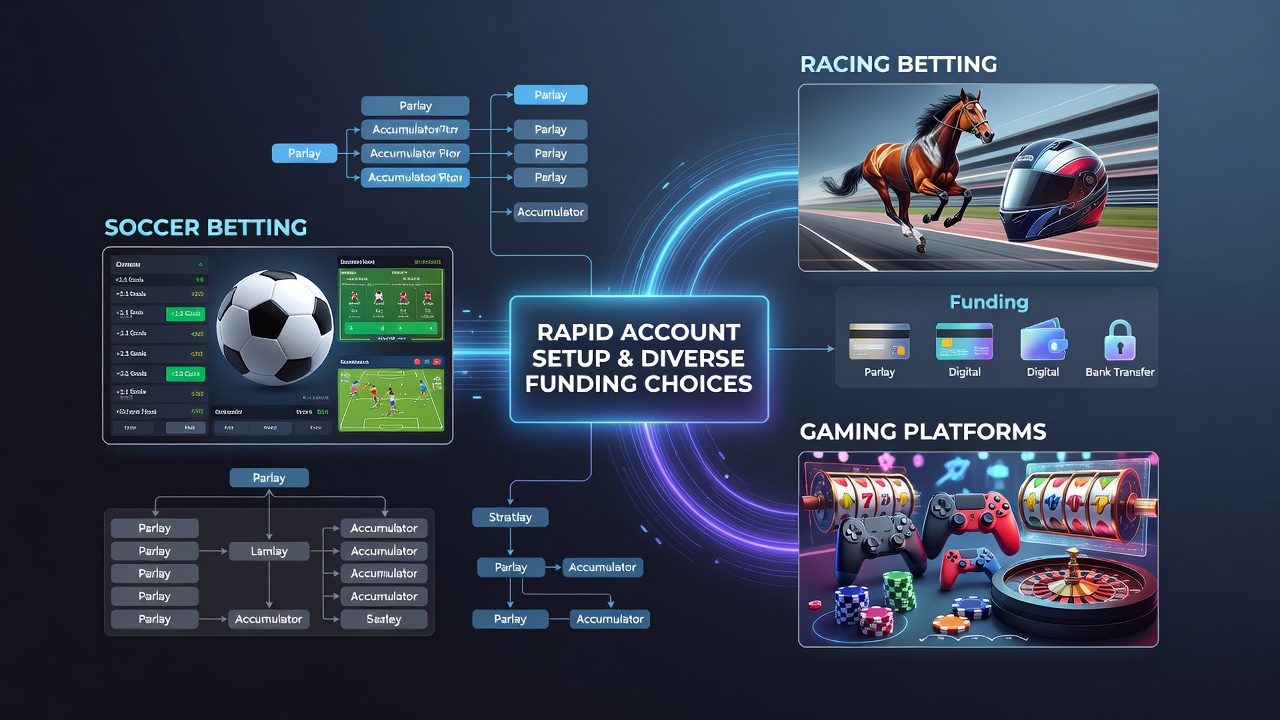
Accelerated Platform Access and Flexible Payment Routes Driving Multi-Layered Strategies in Football, Horse Racing, and Digital Casino Markets
Operators across digital betting environments have refined registration flows to minutes rather than hours, and those streamlined steps pair with payment rails that range from traditional cards to instant e-wallets and emerging digital currencies. Observers note that such combinations allow participants to move capital between football markets, horse racing exchanges, and casino floors without extended pauses, creating sequences where a live match outcome can fund a track wager or a slot session within the same session window.
Registration Pathways That Reduce Friction
Verification processes now rely on automated document checks and biometric confirmations, so new accounts activate while users remain on the same device. Data from industry audits shows average onboarding times have fallen below four minutes on leading platforms, and that speed matters when odds shift during an in-play football fixture or when a racing market opens minutes before post time. Those who've studied the sector point out that once identity checks clear, funding options appear immediately, which removes the lag that once separated one market entry from the next.
Payment Diversity and Its Tactical Value
Platforms list multiple deposit channels, and each carries distinct settlement speeds. Bank transfers may take hours, whereas e-wallets and certain crypto options credit balances in seconds. Researchers tracking transaction logs report that users who combine at least three funding methods execute an average of 2.7 more cross-market moves per session than those limited to a single rail. The ball stays in their court because they choose the route that matches the timing of the next opportunity, whether that is a soccer cash-out window or a late racing scratch.
Layered Approaches Across Football, Racing, and Casino Floors
One documented pattern involves starting with a football single, then routing winnings into a horse racing double once the initial result settles. Because deposits land instantly, the same balance can support a follow-up casino round without waiting for batch processing. Figures from platform analytics indicate that sequences spanning all three verticals rose 14 percent year-over-year through mid-2026, and analysts attribute the increase to the removal of funding delays rather than changes in user appetite alone.
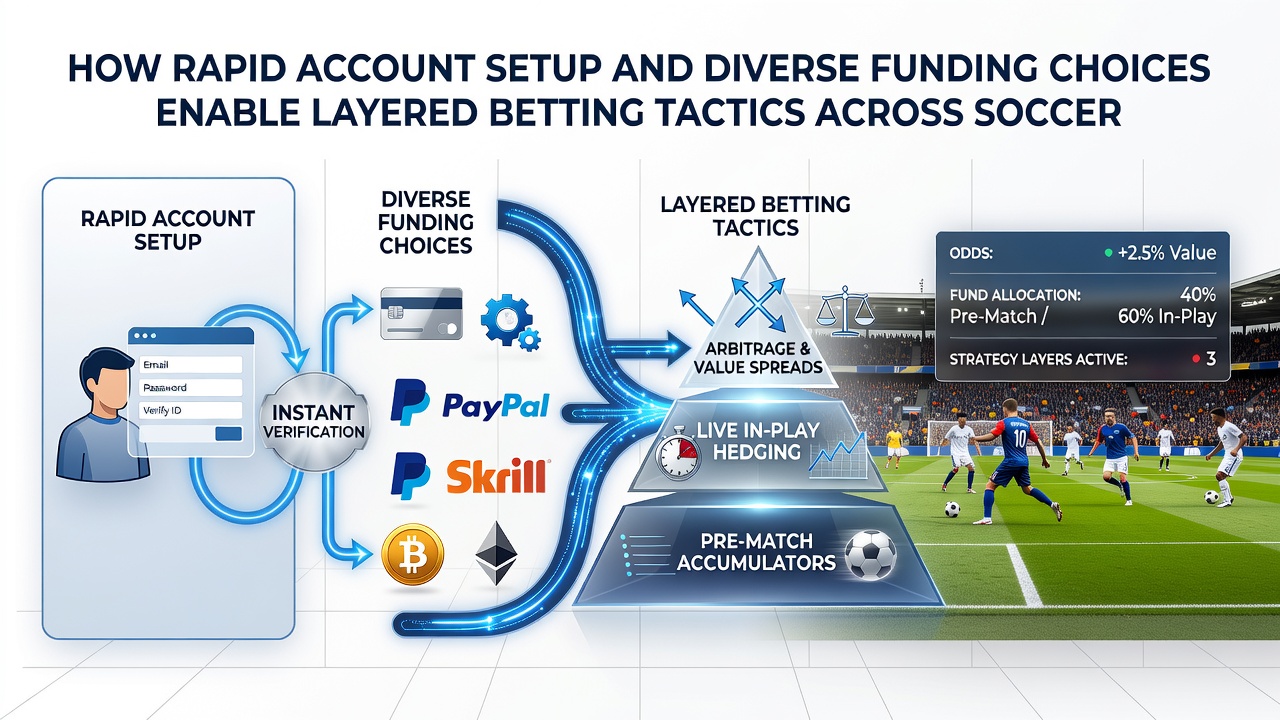
Another observed tactic links in-play football hedging with pre-race place bets. When a live match price drifts, participants can lock partial profits and redirect those funds to a racing market that closes shortly afterward. The same balance then covers a short casino session while waiting for racing results. Observers note that such chaining becomes practical only when account funding and withdrawal confirmations occur inside the same minute.
Regulatory Context Entering August 2026
European regulators have signaled updated consumer-protection standards that take effect later in 2026, and operators have already adjusted onboarding prompts to include spending-limit selections at the point of first deposit. Australian state authorities, through the Australian Communications and Media Authority, continue to publish quarterly transaction-speed benchmarks, and those benchmarks show that platforms meeting the fastest quartile also record the highest volume of multi-vertical activity. Industry groups such as the European Gaming and Betting Association have compiled similar cross-border comparisons, confirming that settlement times under thirty seconds correlate with elevated session lengths across football, racing, and casino products.
Practical Examples from Platform Data
Take one European operator that introduced instant bank verification in early 2026. Internal records reveal that users who activated the new rail increased their average number of market switches from 1.8 to 3.4 per hour. Another North American platform reported that accounts funded via digital wallets completed 22 percent more racing-to-casino transitions than card-only accounts during the same period. These patterns emerge because the capital remains liquid, allowing participants to respond to price movements without exiting the application.
Conclusion
Rapid account creation combined with varied, fast-settling payment options has produced measurable shifts in how activity distributes across football, horse racing, and casino environments. Platform records and regulatory datasets released through August 2026 document higher volumes of sequential and parallel market entries once onboarding and funding barriers drop below certain thresholds. Those metrics stand as observable outcomes of the technical and procedural changes now embedded in many betting applications.